



Introduction
Starting a business is exciting. In the early days, everything feels full of opportunity. You have ideas, plans, and the motivation to build something meaningful. However, once the initial excitement settles, most founders begin to realize that building a successful startup involves much more than just launching a product.
One important area that many startups overlook is branding and design.
It is common for entrepreneurs to spend months refining their product or service while giving very little attention to how their brand actually appears to customers. In reality, people often form opinions about a business within just a few seconds. Before they even explore your services, they notice your website, your logo, and the overall look and feel of your brand.
In today’s digital environment, branding and design play a crucial role in how a startup is perceived. A well designed brand identity helps businesses appear more professional, stand out in competitive markets, and build trust with potential customers.
In this guide, we will explore what branding and design truly mean, why they matter for startups, and how new businesses can build a brand that people remember.
Understanding Branding and Design
Many people use the terms branding and design as if they mean the same thing. While they are closely connected, they serve different purposes.
Branding is the overall identity of your business. It includes your values, your mission, the way you communicate, and the feeling customers experience when they interact with your company. In simple terms, branding answers the question, what does this business represent?
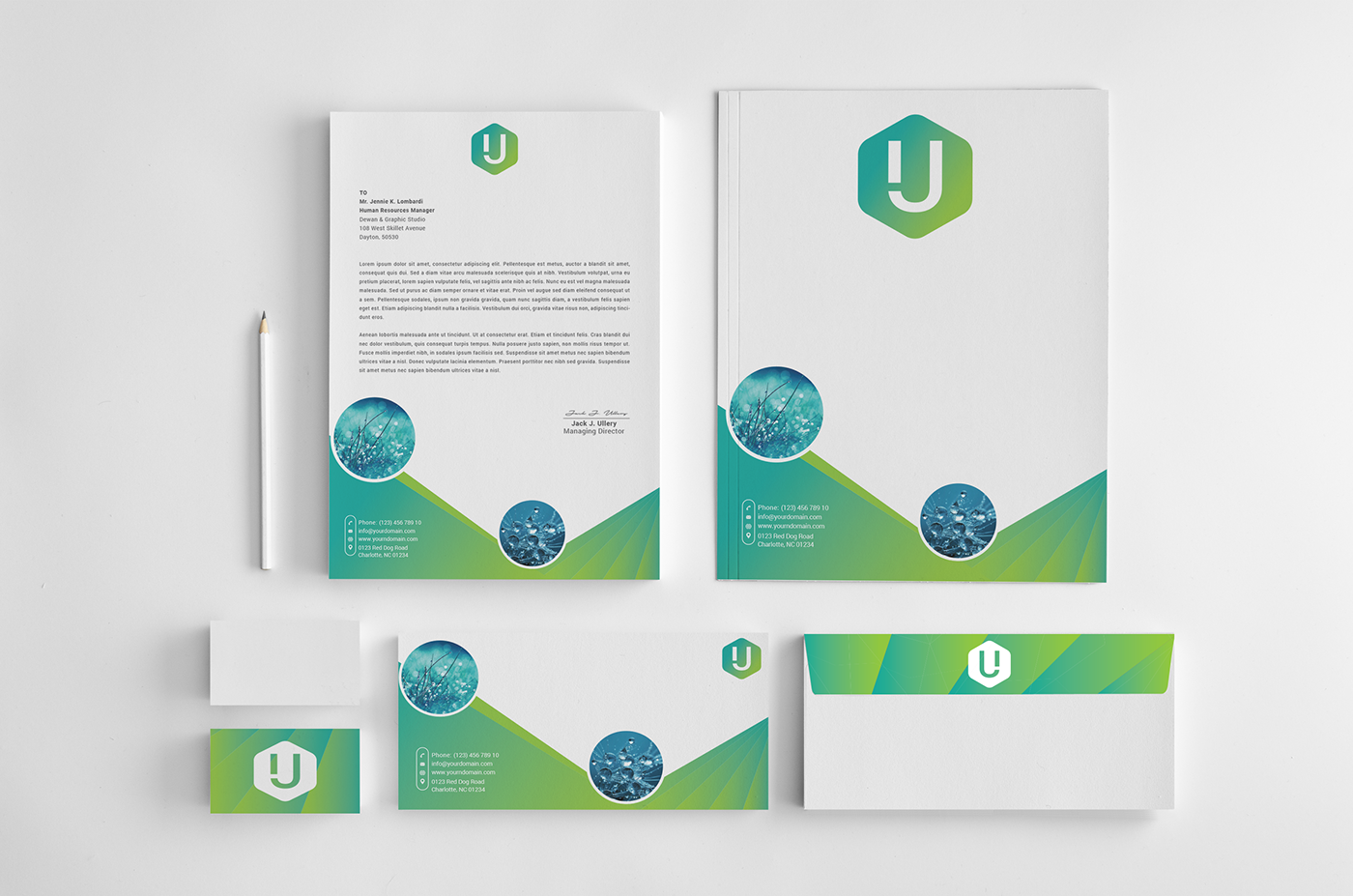
Design is how that identity becomes visible. It includes the visual elements people see, such as your logo, color palette, typography, website layout, packaging, and marketing materials.
You can think of branding as the personality of a business, while design is how that personality is visually expressed.
When branding and design work together properly, they create a consistent experience for customers. Over time, that consistency helps people recognize your brand and trust it.
Why Branding and Design Matter for Startups
For startups, first impressions are extremely important. Unlike established companies, new businesses do not yet have a strong reputation. Because of this, visual presentation often becomes the first signal of credibility.
Building Trust from the Beginning
Imagine visiting two different websites that offer similar services. One looks professional, organized, and visually appealing. The other looks outdated and inconsistent.
Most people naturally feel more comfortable trusting the first one.
That is the influence of strong branding and design. Even if your company is new, a clear and polished visual identity can make your startup appear more reliable and professional.
Standing Out in a Competitive Market
Almost every industry today is competitive. Whether you are launching a marketing agency, an online store, or a technology startup, there will likely be other companies offering similar services.
Strong branding helps people remember your business. A recognizable logo, a unique color palette, and consistent design make your startup easier to identify. When customers repeatedly see a consistent brand identity, it becomes familiar to them. Familiarity often leads to trust.
Creating Emotional Connections
Customers do not only buy products. They also connect with brands.
Think about the brands you personally like. Often the connection goes beyond the product itself. People are drawn to brands that represent certain values or feelings such as creativity, reliability, or simplicity.
Through thoughtful branding and design, startups can communicate their personality and create stronger connections with their audience.
Supporting Marketing and Growth
Marketing becomes much more effective when your brand identity is clear and consistent.
Every advertisement, social media post, and website page contributes to the overall image of your business. When branding remains consistent across these platforms, it reinforces recognition and strengthens the impact of your marketing efforts.
Key Elements of Strong Branding and Design
A strong brand identity is built from several important elements that work together.
Brand Strategy
Before creating any visual elements, startups should define their brand strategy. This involves understanding the purpose of the business and the audience it wants to serve.
Important questions to consider include:
- What problem does your startup solve
- Who is your target audience
- What values does your business represent
- How should customers feel when they interact with your brand
Clear answers to these questions help guide the entire branding process.
Logo Design
Your logo is often the first visual symbol people associate with your business. A strong logo should be simple, memorable, and flexible enough to work across different platforms.
It should represent your brand identity while remaining clear and recognizable whether it appears on a website, a social media profile, or marketing materials.
Color Palette
Colors have a powerful effect on how people perceive a brand.
For example:
- Blue often communicates trust and reliability
- Red can express energy and passion
- Green is frequently associated with growth and sustainability
Selecting the right colors helps reinforce the message your brand wants to communicate.
Typography
Fonts also play an important role in branding. Different styles of typography create different impressions.
Modern fonts can make a brand appear innovative and clean, while classic fonts may create a sense of tradition and authority.
Consistent typography across your website and marketing materials strengthens brand recognition.
Visual Style and Imagery
Images, graphics, and icons contribute to the overall visual language of a brand.
A consistent style of imagery helps create a cohesive experience for customers. High quality visuals also make a business appear more polished and professional.
How Startups Can Build Effective Branding and Design
For many startups, branding can seem overwhelming at first. The good news is that the process becomes much easier when approached step by step.
Define Your Brand Identity
The first step is understanding your business clearly. What makes your startup different from others? What values guide your company?
When the identity of your brand is clear, design decisions become more focused and purposeful.
Maintain Consistency
Consistency is one of the most important principles in branding.
Your logo, colors, typography, and messaging should remain consistent across your website, social media platforms, marketing materials, and advertisements. Over time, this consistency builds recognition and trust.
Consider Professional Design Support
Many startups begin by designing everything themselves. While this can work in the early stages, professional design can significantly improve the quality of your brand identity.
Experienced designers understand how to translate brand ideas into visual elements that communicate clearly.
Build a Strong Online Presence
In today’s digital world, your website is often the first place customers encounter your brand.
A well designed website with clear messaging and consistent visuals helps create a strong first impression. It also encourages visitors to explore your services further.
Allow the Brand to Evolve
As your startup grows, your brand may evolve. This is a natural part of business development.
You may refine your messaging, update visual elements, or expand your brand identity as your company reaches new audiences. The important thing is to maintain the core values and identity of your brand while allowing it to develop over time.
Common Branding Mistakes Startups Should Avoid
Many startups unintentionally weaken their brand by making simple mistakes.
Some common issues include:
- Inconsistent visual identity across platforms
- Overly complex logos that are difficult to recognize
- Ignoring the preferences of the target audience
- Frequently changing brand visuals
- Treating branding as an afterthought rather than a strategy
Avoiding these mistakes can help startups build a stronger foundation for long term growth.
The Long Term Impact of Branding and Design
Branding is not only about appearance. It is about how people remember your business.
Over time, strong branding helps customers recognize your company quickly and associate it with a positive experience.
Businesses that invest in branding early often benefit from stronger customer relationships, better marketing performance, and improved brand recognition.
Many of the world’s most successful companies built their reputation through clear branding and thoughtful design.
Final Thoughts
Building a startup involves many challenges, but it also offers great opportunities. While product development and strategy are important, branding and design shape how your business is perceived by the world.
A clear and consistent brand identity helps your startup look more professional, communicate your values, and create lasting impressions on customers.
At OryxNest, we believe that thoughtful branding and design can transform a simple business idea into a recognizable and trusted brand. When branding is done well, it does more than make a business look good. It helps people remember it.


